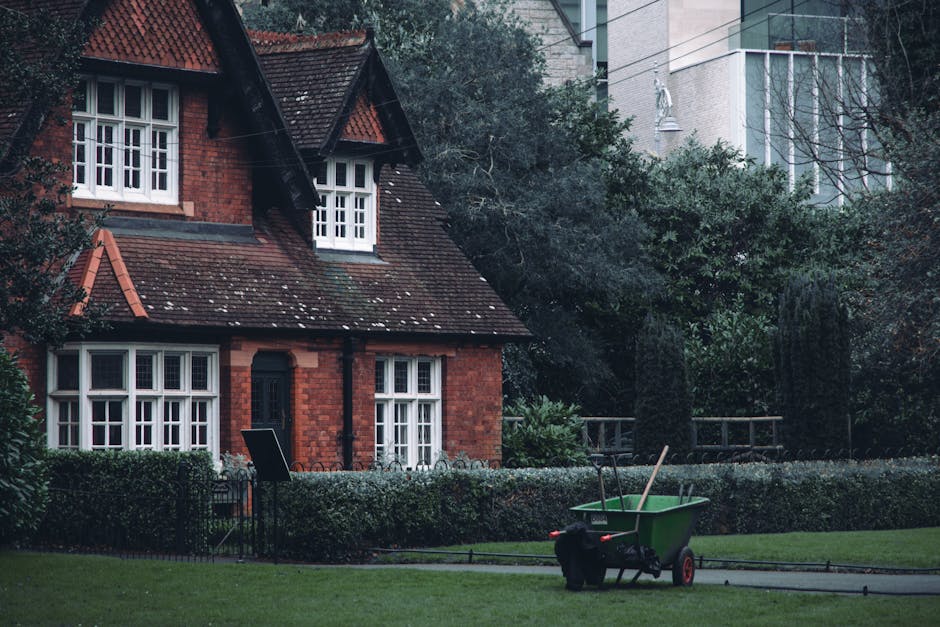
Yiewsley High Street garden maintenance for terrace homes
If you live in a terrace near Yiewsley High Street, you already know the pattern: a compact front space, a narrow back garden, maybe a shared side access, and not quite enough time to keep everything under control. Yiewsley High Street garden maintenance for terrace homes is really about making small urban gardens easier to live with, not just nicer to look at. Done well, it can stop the whole place from feeling cluttered, damp, or oddly unfinished.
In this guide, we'll look at what garden maintenance for terrace homes usually involves, why it matters in a busy local setting, and how to keep it practical rather than fussy. We'll also cover the common mistakes people make, the tools that actually help, and the sort of maintenance plan that saves time in the long run. To be fair, a terraced garden does not need to be perfect. It just needs to work for real life.
Why Yiewsley High Street garden maintenance for terrace homes Matters
Terrace homes come with a particular set of gardening realities. The plots are often long and narrow, or just small enough that one skipped weekend becomes a bigger job than you expected. In a place like Yiewsley High Street, where homes sit close together and outdoor space has to pull its weight, garden maintenance is less about luxury and more about keeping the property comfortable, tidy, and usable.
A neglected terraced garden can quickly become the thing you stop using. Weeds spread, paths get slippery, hedges crowd the light, and bins, bikes, and plant pots start to pile up. Then there's the day-to-day stuff: overgrown edges, patchy lawn areas, leaf build-up, and planting that looked great in spring but has gone a bit wild by late summer. It happens. Gardens do that if nobody stays on top of them.
The real value of regular maintenance is that it prevents the small issues from joining forces. A few weeds become a mattress of roots. A light trim becomes a hedge rescue. A tidy border becomes a whole afternoon. Keeping pace with it is easier than catching up, and in terrace homes that difference really matters.
Expert summary: For terrace homes near Yiewsley High Street, good garden maintenance is mainly about control, access, and consistency. If you keep growth manageable, the space feels bigger, cleaner, and much less stressful to look after.
There is also a quiet kerb appeal factor. If you rent, sell, or simply care about the feel of your home, the garden is one of the first things people notice. A neat front space can soften the whole appearance of a terrace, while a scruffy one tends to do the opposite. Not dramatic, just true.
How Yiewsley High Street garden maintenance for terrace homes works
At a practical level, garden maintenance for a terraced property usually follows a simple cycle: assess the space, clear what is overgrown, tidy what is established, and keep a steady rhythm so it never gets out of hand. That rhythm matters more than perfection. Most small gardens do well with regular, modest attention rather than occasional big interventions.
A maintenance visit often includes lawn care, hedge trimming, border tidying, weeding, pruning, leaf collection, and general waste removal. In some homes it may also include pressure on access routes, front path cleaning, seasonal planting, or more structural work like replacing tired soil, reshaping a bed, or dealing with awkward corners that trap debris. If you have ever crouched beside a fence trying to pull nettles with a trowel while the council bin is already full, you'll know the feeling.
The best approach depends on how the garden is used. A family terrace with children and pets needs safe, durable surfaces and quick turnaround maintenance. A more decorative back garden might focus on shape, colour, and keeping a few feature plants healthy. A front garden might just need to look neat and welcoming, with no fuss.
Good maintenance also takes the microclimate into account. Terrace gardens can be shaded by side walls, sheltered from wind in some spots, and oddly dry or wet in others. You notice this most after a wet spell: one patch turns mushy, another stays bone dry, and the middle behaves like it is in a different postcode entirely. A maintenance routine should work with that, not fight it.
If you want a broader view of what can be included in ongoing garden care, the main garden maintenance service page is a useful starting point, while the full services overview shows how different outdoor tasks fit together.
Key Benefits and Practical Advantages
There are some obvious benefits to keeping a terrace garden maintained, but the more useful gains are often the practical ones. Less mess. Less worry. Less time spent wrestling with overgrowth. That is the real story.
- More usable space: A tidy terrace garden feels larger because there is less visual clutter and fewer obstacles.
- Lower long-term effort: Regular maintenance stops jobs from snowballing into bigger, more expensive work.
- Better safety: Slippery paths, hidden edges, and broken-over plant growth can create avoidable hazards.
- Healthier plants: Pruning, feeding, and weeding on time helps planting stay stronger and more balanced.
- Improved appearance: Small front and back gardens often make a bigger first impression than people expect.
- Less stress for busy households: A scheduled approach fits real life far better than a "we'll sort it eventually" approach.
There is also a financial angle, although it should be handled sensibly. A well-kept outdoor space tends to support property presentation, which matters if you rent, let, or plan to sell at some stage. Even if you never move, a garden that feels cared for often makes the whole home feel calmer. That counts for something.
One practical advantage that gets overlooked is waste control. Regular tidy-ups reduce the amount of green waste produced at any one time, which can make disposal easier and less disruptive. If the garden is managed in a slightly greener way, recycling and reuse become simpler too. Some cuttings can be chipped, composted, or reused as mulch, depending on the material and condition.
Who This Is For and When It Makes Sense
This kind of maintenance is ideal for people who want their terrace garden to stay presentable without spending every weekend working on it. That includes homeowners, landlords, tenants with garden responsibilities, older residents who no longer want heavy lifting, and families with busy routines. In practice, it suits anyone who would rather enjoy the space than battle it.
It makes sense especially when:
- the garden is small but becoming difficult to manage
- you have a hedge, shrubs, or climbing plants that need regular control
- weeds keep coming back after rain
- the lawn is patchy or uneven
- the front garden affects the first impression of the property
- you have limited storage for tools and equipment
- you need help during a one-off clearance or after a busy season
It is also useful before events, family visits, property photos, or letting inspections. A quick maintenance pass can completely change how a terrace home feels from the street or the back door. Funny how something so ordinary can lift the mood so much.
If the garden has slipped beyond routine care, a more intensive garden clearance may be the better first step. And if the shape of the space is part of the problem, not just the upkeep, you may also want to look at landscape gardening for longer-term improvements.
Step-by-Step Guidance
A sensible maintenance routine for a terrace home does not need to be elaborate. The trick is to start with the obvious jobs and work outward from there. Here is a practical way to handle it.
- Walk the garden slowly. Look for overgrowth, blocked access, broken pots, mossy paths, and anything that has become awkward to reach.
- Clear obvious waste first. Remove fallen branches, dead leaves, broken plant material, and loose clutter so the space is easy to work in.
- Deal with edges and boundaries. Trim hedges, define borders, and cut back anything spilling into paths or sitting too close to fences.
- Weed properly, not quickly. Pull roots where possible and treat recurring weeds before they spread again.
- Shape and prune planting. Remove dead growth, thin crowded areas, and keep plant height in proportion to a small garden.
- Cut and edge lawns if you have them. A neat lawn frame can make even a tiny terrace garden look cleaner immediately.
- Check drainage and damp-prone spots. Small gardens can collect moss, slippery algae, or standing water in awkward places.
- Finish with a tidy sweep. Paths, steps, patio areas, and side access should be left safe and clear.
That order works because it respects the way small gardens behave. If you trim first and clear later, you will only do the same job twice. Nobody needs that kind of hobby.
For structured upkeep, many people find it helpful to split maintenance into weekly, monthly, and seasonal tasks. Weekly tasks might be watering, deadheading, and litter removal. Monthly work might include pruning, edging, and checking for weeds. Seasonal work usually involves heavier clearance, replanting, and reshaping the garden after weather changes.
Expert Tips for Better Results
Here are the small details that make a real difference, especially in terrace homes where every metre counts.
1. Keep the back of the garden as calm as the front. People often tidy the visible bits and forget the far end. Then the rear corner becomes a little jungle of its own. It's a classic.
2. Use vertical space wisely. Terrace gardens can feel cramped, so trained climbers, wall planters, and compact planting schemes help preserve floor space. The right vertical planting can make a tiny garden feel purposeful rather than squeezed.
3. Choose plants that forgive a busy schedule. If you know you will not be out there every other day, go for lower-maintenance planting rather than high-drama species that need constant attention.
4. Protect hard surfaces from grime. Paths, paving, and steps matter because they shape how the whole garden feels. A quick brush and occasional cleaning go further than people think.
5. Do not over-prune in one go unless it is necessary. Heavy pruning can shock some plants and leave the space looking bare. Small, steady corrections are often better.
6. Plan for rubbish removal before you start. It is easy to forget where everything is going until the pile is already there. Bags, bins, and transport should be part of the plan, not an afterthought.
7. Watch light and shade patterns. A terrace home often has one patch that loves the sun and another that never quite dries. Matching plants and maintenance to those patterns saves grief later.
A small aside, but it matters: gardens often look worse before they look better. That middle stage, when one bed is cleared and the other still looks messy, can be oddly demoralising. Push through it. The result usually lands quickly after that.
Common Mistakes to Avoid
Even well-meaning garden owners trip over the same few problems. The good news is that most of them are easy to avoid once you spot the pattern.
- Letting maintenance become seasonal only: A single big tidy-up in spring rarely keeps a terrace garden under control all year.
- Ignoring access routes: Narrow side paths and back gates are often where the mess builds up first.
- Cutting everything back too hard: This can leave plants weak, bare, or slow to recover.
- Using the wrong tools: A blunt pair of shears or the wrong mower makes small jobs harder than they need to be.
- Leaving waste in place: Green waste attracts more mess and can make damp areas worse.
- Overcrowding small beds: Too many plants in a small terrace garden can quickly create congestion and moisture problems.
- Forgetting about drainage: Waterlogged areas can damage planting and make paths slippery.
One of the sneakiest mistakes is trying to make a small garden do too much. A seating area, storage, lawn, wildlife planting, a vegetable bed, a clothes-drying spot, and decorative borders all in one compact terrace garden? It can work, but only if the layout is very deliberate. Otherwise the whole thing ends up feeling busy in the wrong way.
Tools, Resources and Recommendations
You do not need a van full of equipment to keep a terrace garden in good order. In fact, the smaller the space, the more important it is to choose tools that are easy to store and genuinely useful.
| Task | Useful tools | Why they help |
|---|---|---|
| General tidying | Rake, stiff brush, gloves, collection bags | Quickly removes leaves, loose debris, and surface mess |
| Weeding | Hand fork, hoe, weeding knife | Targets roots properly in narrow beds and paving cracks |
| Hedge and shrub care | Sekateurs, hedge trimmer, loppers | Keeps growth compact and manageable in tight spaces |
| Lawn care | Small mower, edging tool, lawn rake | Improves the shape and finish of small lawns |
| Patio and path care | Brush, scraper, bucket, mild cleaner | Helps reduce moss, dirt, and slippery build-up |
| Waste handling | Heavy-duty bags, bin store access, compost system | Makes removal cleaner and prevents piles from lingering |
If you prefer to leave the upkeep to a professional team, it helps to look for services that are clear about process, safety, and waste handling. A trustworthy provider should be able to explain what is included, what is extra, and how recurring visits work. You can also check pages such as lawn mowing and hedge trimming if those are the main jobs your terrace garden needs.
For broader outdoor transformation work, the landscaping and decking services pages may also be relevant if your garden needs more than routine maintenance. And if you are weighing up cost or scope, the pricing and quotes page is the sensible place to start.
Law, Compliance, Standards, or Best Practice
For most homeowners, terrace garden maintenance is straightforward. Still, there are a few best-practice points worth keeping in mind, especially if the work involves tools, waste removal, or shared boundaries.
First, be mindful of noise and timing. In a tightly packed street, hedge trimming or powered equipment can carry further than you expect. A considerate schedule helps avoid friction with neighbours. That is not a legal lecture, just common sense in a close-knit area.
Second, safe working matters. Secure footing, suitable gloves, eye protection when needed, and sensible handling of sharp tools all reduce risk. If there are steep steps, uneven paving, or hidden trip hazards, take a slower approach rather than rushing through. Garden work sounds gentle until a wet step proves otherwise.
Third, waste should be handled responsibly. Green waste, timber offcuts, soil, and mixed garden debris may need separate treatment depending on the material and local disposal options. A professional service should have clear methods for removal and recycling. If sustainability matters to you, look for an approach that prioritises reuse and responsible disposal. The recycling and sustainability page gives a good sense of that mindset.
Fourth, when work affects fences, trees, or neighbouring boundaries, it is wise to keep communication open. This is especially true in terrace housing where space is shared and boundaries can be close. A short chat now can prevent a long awkward conversation later. Nobody enjoys that. Not really.
Finally, insurance and public liability are worth checking if you are hiring help. A responsible provider should be comfortable discussing safety measures and cover. The insurance and safety page is useful if you want to understand that side of the service. For general company standards, the health and safety policy and about us pages can also help build trust.
Options, Methods, or Comparison Table
Not every terrace garden needs the same approach. Some benefit from light, regular care; others need a reset first. The right method depends on time, condition, and how much you want to do yourself.
| Approach | Best for | Pros | Trade-offs |
|---|---|---|---|
| DIY weekly maintenance | Small, tidy gardens | Low cost, flexible, familiar | Needs consistency and time |
| Scheduled professional maintenance | Busy households and rental homes | Reliable, neater finish, less effort | Ongoing cost |
| One-off seasonal tidy-up | Gardens that are mostly fine but overdue | Fast improvement, useful after winter | Maintenance can drift again later |
| Clearance plus maintenance | Overgrown or neglected terrace gardens | Resets the space and creates structure | More intensive at the start |
For many terrace homes, the best answer is a combination: one stronger initial tidy or clearance, then lighter routine maintenance after that. That way you are not fighting the same battle every month. A bit of structure goes a long way.
Case Study or Real-World Example
Here's a realistic example from the sort of garden people often describe around Yiewsley High Street. A narrow terraced back garden had become awkward to use: the hedge was leaning into the path, weeds had spread through the border, a small lawn had gone patchy, and the patio was starting to feel slippery after rain. Nothing extreme, but enough that the owners had stopped going out there except to fetch bins.
The first visit focused on clearing the access path, trimming back the hedge, removing dead growth, and pulling weeds from the borders and paving joints. After that, the lawn edge was redefined, the patio was brushed through properly, and the planting was thinned so it could breathe. The difference was not flashy. It was better than that. The garden suddenly felt usable again.
What made the biggest impact was not one dramatic change, but several small corrections working together. Once the mess was gone, the owners could see the structure of the space again. That tends to happen with terrace gardens. Under the clutter, there is usually a decent layout waiting to reappear.
If the garden had been left for another season, the job would have been more involved and probably more frustrating. That is the part people often miss. Maintenance is not only about appearance; it preserves options. Once a small garden loses shape, it takes more effort to restore it.
Practical Checklist
Use this checklist to keep a terrace garden in steady shape without overcomplicating it.
- Walk the garden and spot overgrowth, weeds, and damp areas
- Clear fallen leaves, dead stems, and loose debris
- Trim hedges, shrubs, and trailing growth
- Weed borders, cracks, and path edges
- Check the lawn for uneven growth, bare patches, or moss
- Brush or clean patios, steps, and side paths
- Inspect drainage and places where water collects
- Remove green waste before it builds up
- Review whether the planting still suits a small terrace space
- Schedule the next tidy-up before it becomes urgent
If you want to work smarter, not harder, this is the simplest habit to keep: never leave a garden visit without deciding the next one. Even if it is just "in two weeks, trim the hedge and clear the borders." Small decisions save big headaches.
Conclusion
Yiewsley High Street garden maintenance for terrace homes is really about making compact outdoor spaces easier to live with. A terrace garden does not need grand landscaping or constant attention. It needs the right rhythm, a clear plan, and a few sensible habits that stop the space from slipping into chaos.
Whether you are keeping on top of a front garden, restoring a back yard, or trying to make a narrow shared space feel calmer and more inviting, the same principles apply: clear the clutter, maintain the boundaries, respect the conditions, and keep things regular. Once that pattern settles in, the garden stops feeling like a burden and starts doing its job properly.
Get a free quote today and see how much you can save.
And if all you manage this week is one tidy edge and a cleared path, that is still progress. Honest progress counts.
Frequently Asked Questions
What does garden maintenance for terrace homes usually include?
It usually covers mowing, hedge trimming, weeding, pruning, border tidying, leaf clearance, and general cleanup. For some terrace homes, it may also include patio brushing, access path tidying, and removal of green waste.
How often should a terrace garden near Yiewsley High Street be maintained?
That depends on the growth rate and the season, but many small terrace gardens benefit from light attention every one to two weeks in the growing season, with less frequent checks in colder months. The key is consistency rather than big gaps.
Is regular maintenance better than occasional big tidy-ups?
In most cases, yes. Regular maintenance prevents weeds, overgrowth, and debris from building up, so the garden stays easier to manage. A one-off tidy-up can help, but it usually works best when followed by ongoing care.
Can small terrace gardens still look impressive?
Absolutely. Small gardens often look better than larger ones when they are well structured. Clean edges, healthy planting, and a clear layout can make a compact terrace space feel calm and intentional.
What are the hardest parts of maintaining a terrace garden?
The hardest parts are usually narrow access, repeated weed growth, limited storage for tools, and awkward shaded corners. These are common terrace-garden issues, and they are manageable with the right routine.
Do I need professional help, or can I do it myself?
If the garden is small and you have the time, DIY maintenance can work well. If the space has become overgrown, you are short on time, or you want a neater regular finish, a professional service can be a better fit.
What should I do before booking a garden maintenance visit?
Walk the garden and note the main issues, such as hedge height, weed build-up, lawn condition, and access problems. It also helps to decide whether you want a one-off tidy-up or ongoing visits.
How do I keep a terrace garden from looking cluttered?
Keep plant numbers sensible, use vertical space carefully, and remove tired pots or broken items quickly. In a small garden, clutter shows fast, so clear surfaces and neat borders make a big difference.
What if my garden has become badly overgrown?
A clearance is usually the best first step. Once the garden is reset, ongoing maintenance becomes much easier. Trying to maintain a heavily overgrown space without clearing it first is usually frustrating.
Are there safety issues with terrace garden maintenance?
Yes, especially where there are slippery paths, uneven paving, sharp tools, or awkward steps. Good footwear, careful handling, and sensible pacing are important. If you are hiring help, insurance and safety practices are worth checking.
How can I make my garden maintenance more sustainable?
Choose plants that suit the site, reuse healthy cuttings where possible, and handle green waste responsibly. A maintenance plan that avoids unnecessary clearance and promotes composting or recycling can also help.
What is the best next step if I want help with my terrace garden?
Start by identifying whether you need regular maintenance, hedge work, lawn care, or a full tidy-up. Then request a quote based on the actual condition of the garden. A clear first conversation makes everything easier, really.